There are days when emotions are like seasons: changing, unpredictable. A breeze is enough to ignite a storm. Other times, we are surprised by a calm that frightens, so still it seems alien.
Over time, we understand that we cannot always choose the emotional climate that surrounds us, but we can choose how we take shelter within it. That is the true key.
Because we have all felt that moment when something inside overflows or shuts down too quickly. And right there, an invisible, silent, but deeply transformative skill comes into play: emotional regulation. The art (and challenge) of sustaining what we feel without drowning in it.
What is emotional regulation?
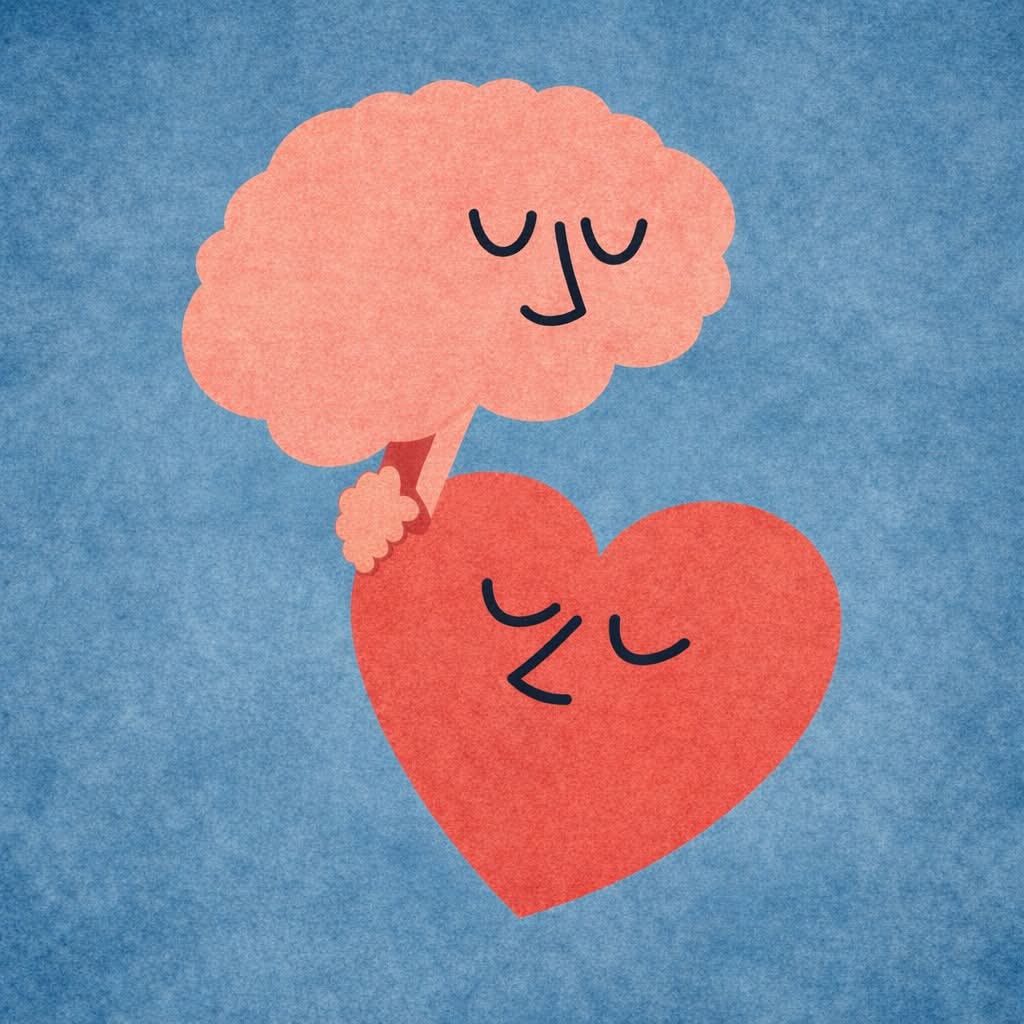
Emotional regulation refers to the processes by which individuals influence which emotions they have, when they have them, and how they experience and express them (Gross, 1998).
Theory tells us this. But in everyday life, regulating an emotion is much more than a process: it's how we accompany ourselves when something hurts, scares, or overwhelms us. It's that small space between what we feel and what we do with it. It's not about stopping feeling, but learning to sustain, modulate, and respond in a way that is more faithful to who we are and what we need in that moment. That is, it's not about eliminating; it's about choosing how to respond instead of reacting by impulse. Listening to oneself before acting. Illuminating the emotion from another angle.
Emotional Regulation Competencies
We could say that emotional regulation relies primarily on three major competencies: awareness, acceptance, and modulation. Three internal movements that are trained, not improvised.
- Emotional Awareness: The ability to put a name to what's happening inside us, to recognize the nuances of what we feel beyond just being "one way or another". Realizing when something is anger and when it's fear, when there's sadness and when there's exhaustion disguised as something else.
- Acceptance or Emotional Tolerance: It's not about resignation, but about stopping the fight with what we feel. Being able to accept what is inside us at any moment, without judging it as good or bad. By practicing acceptance, we acknowledge that it has a meaning, a function, a message.
- Emotional Modulation: That which comes after: first we feel, then we realize what we feel and accept it, and only then are we truly in a position to regulate. Regulating, or modulating an emotion, is adjusting its volume so that it doesn't drag us down or cancel us out.
Self-Regulation: How our body already does it for us
But there's something we often forget: emotions are not eternal. They are transient states, like waves that come and go, typically staying in our body for about 90 seconds.
Our organism has a natural tendency to return to equilibrium, and we call this self-regulation. Without us doing anything special, anger dissipates over time, and anxiety drops after a while. Every emotion consumes energy, and the body knows how to return to port.
Individual and Social Regulation: We are not islands
Emotional regulation is not always a solitary job. It can be individual but also social. From the moment we are born, we depend on others to regulate ourselves, like when we were calmed by the soft voice of a caregiver. Over time, we learn to do it for ourselves, but we never lose that capacity for co-regulation: asking for support, validating what we feel with someone close, letting a conversation help us order the internal chaos.
Why is emotional regulation important?
Emotional regulation crosses all layers of our daily life, from the most intimate conversations to the decisions that shape our future.
- In Interpersonal Relationships: When we know how to regulate what we feel, we discuss without destroying, we apologize without sinking into guilt, and we set boundaries without aggression.
- For Mental Health and Physical Wellbeing: Regulating emotions protects against chronic anxiety, reactive depression, or the exhaustion that arises from "holding in too much".
- In Decision Making and Daily Performance: A dysregulated emotion clouds judgment. In contrast, regulation gives us space to choose responses aligned with our values.
When emotions get out of control: Emotional Dysregulation
Emotional dysregulation is not simply "having many emotions" or "being very sensitive." It's when those emotions overcome us, carry us away, or leave us disconnected from ourselves, turning manageable situations into internal storms that leave a hangover.
It manifests in very recognizable ways: disproportionate reactions to a small comment, difficulty calming down after a conflict, sudden impulses, or, on the contrary, an emotional blackout.
How do I know if I have difficulties regulating my emotions?
- Disproportionate Reactions: A casual comment triggers anger that seems too big for the situation.
- Difficulty Returning to Calm: Once the emotion goes up, it takes hours or days to come down.
- Rapid Mood Changes: Moving from being fine to feeling overwhelmed in minutes.
- Impulses we Regret: Saying hurtful words or avoiding important situations out of reactiveness.
How do you learn to regulate emotions?
- Pause and Conscious Breathing: Creating space with three slow breaths activates the parasympathetic system.
- Naming the Emotion: Saying out loud what is felt reduces amygdala activity.
- Internal Validation: Radical acceptance that "it makes total sense to feel this way."
- Gentle Reappraisal: Expanding the lens so that the emotion loses its monopoly.
- Temotiva: Our app, which turns emotional regulation into an accessible and guided habit.
Recognizing that regulating emotions is not silencing them, but learning to navigate them like passing seasons, we will continue exploring practical tools in future installments.
Temotiva was created to accompany those who carry much in their minds and to bring emotional wellbeing to contexts where it is needed most.
Emotional regulation teaches us to be conscious channels: not to stop the water, but to guide it where it nourishes instead of flooding.
— Temotiva | Silvia Garrido
References
- Área Humana. (n.d.). Emotional Regulation and Emotional Intelligence. https://www.areahumana.es/regulacion-emocional/
- Apollo Hospitals. (2026). Emotional dysregulation: causes, diagnosis and treatment. https://www.apollohospitals.com/es/symptoms/emotional-dysregulation
- Clínica Uzal. (2026). Emotional Dysregulation: symptoms, causes and complete guide. https://www.clinicauzal.com/desregulacion-emocional-guia-sintomas-causas-tratamiento/
- Escuela Terapias Bienestar. (2024). Emotional self-regulation: techniques to improve. https://escuelaterapiasbienestar.com/autorregulacion-emocional-tecnicas-mejorar/
- Gradior. (2025). Techniques that help improve emotional regulation. https://www.gradior.es/tecnicas-que-ayudan-a-mejorar-la-regulacion-emocional/
- Marsh Psychotherapy. (2025). Why is emotional regulation important? https://marshpsychotherapy.org/es/blog/why-is-emotional-regulation-important/
- Medicover Hospitals. (n.d.). Emotional dysregulation: signs, causes and treatment. https://www.medicoverhospitals.in/es/diseases/emotional-dysregulation/
- Psicología y Mente. (2015). Emotional Control Techniques: 10 effective strategies. https://psicologiaymente.com/clinica/tecnicas-de-control-emocional
- Psicólogos Animae. (2024). Emotional regulation strategies. https://psicologosanimae.com/estrategias-de-regulacion-emocional/
- Psiconecta. (2024). What is emotional regulation? https://psiconecta.org/blog/que-es-la-regulacion-emocional
- Psiquiatría Psicología Barcelona. (2024). Emotional regulation guide: control your emotions. https://psiquiatriapsicologiabarcelona.com/regulacion-emocional/
- PSISE Madrid. (2025). Emotional dysregulation: Knowledge or modulation? https://psisemadrid.org/disregulacion-emocional/
- Rafael Bisquerra. (n.d.). Emotional regulation. https://www.rafaelbisquerra.com/regulacion-emocional/
- Top Doctors. (2024). Emotional regulation, key to wellbeing and personal development. https://www.topdoctors.es/articulos-medicos/regulacion-emocional-clave-para-el-bienestar-y-el-desarrollo-personal/
- Unobravo. (2025). Emotional dysregulation: causes, symptoms and therapy. https://www.unobravo.com/es/blog/desregulacion-emocional
- Wikipedia. (2007). Emotional dysregulation. https://es.wikipedia.org/wiki/Desregulaci%C3%B3n_emocional